Table of Contents
Overview of Ball Bounce India
Ball Bounce India represents one of the most cherished traditional ball games with deep roots in Indian cultural heritage. This dynamic sport combines physical agility, strategic thinking, and rhythmic coordination in a unique gameplay format that has captivated participants for generations.
? Core Concept
At its essence, Ball Bounce India involves players bouncing a ball in specific patterns while performing coordinated movements, often accompanied by traditional chants or rhythmic counting. The game tests reflexes, timing, and spatial awareness while providing enjoyable physical activity.
The appeal of Ball Bounce India spans across age groups, making it a popular recreational activity in schools, community gatherings, and family settings throughout the country. Its simplicity in basic form yet potential for complex variations contributes to its enduring popularity.
⚡ Quick Facts
Game Type: Traditional Indian ball game
Primary Skills: Hand-eye coordination, rhythm, agility
Players: Typically 2-6 participants
Equipment: Rubber ball, flat playing surface
Popular Regions: Throughout India with regional variations
Historical Origins and Development
The historical trajectory of Ball Bounce India reveals a fascinating journey through India's cultural evolution. While precise origins remain debated among historians, references to similar ball games appear in ancient Indian texts and folklore dating back several centuries.
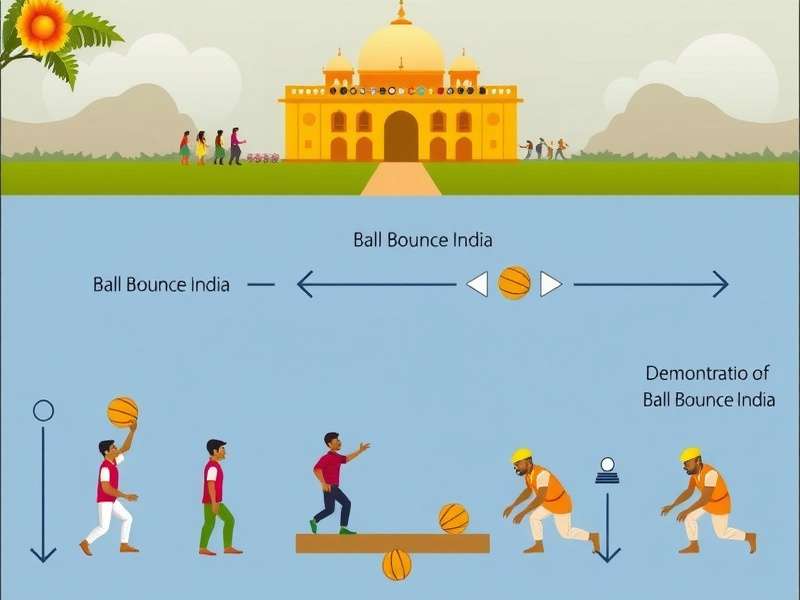
Early forms of ball bouncing games in India likely emerged as informal children's pastimes in village settings. The simplicity of required equipment—essentially just a ball—made these games accessible across socioeconomic boundaries. Historical accounts suggest that variations of ball bouncing were played in different regions under various local names before consolidating into the more standardized form known today as Ball Bounce India.
? Historical Timeline
Pre-18th Century: Regional variations of ball games existed across India
Early 1800s: Standardization of rules begins in urban centers
Late 19th Century: Game gains popularity in schools as physical education activity
Mid-20th Century: National recognition grows during post-independence era
21st Century: Digital adaptations and international interest emerge
Cultural Integration and Evolution
The development of Ball Bounce India closely mirrors India's social history. During the colonial period, the game maintained its popularity as an indigenous pastime while sometimes incorporating elements from other ball games introduced during that era. The post-independence period saw conscious efforts to preserve and promote traditional games like Ball Bounce India as expressions of cultural identity.
Throughout its evolution, Ball Bounce India has demonstrated remarkable adaptability while preserving its core characteristics. The game has absorbed influences from changing social patterns, educational approaches, and even media representations while maintaining its essential appeal as an engaging physical activity accessible to diverse participants.
Game Rules and Regulations
The rule structure of Ball Bounce India provides both simplicity for casual play and complexity for competitive variations. The fundamental objective involves maintaining continuous ball bounces according to prescribed patterns while successfully executing accompanying physical movements.
? Basic Rules Overview
Starting Play: Players determine order through counting-out rhymes or lottery
Bounce Sequence: Ball must bounce once per designated action
Movement Requirements: Specific body movements accompany bounces
Progression: Complexity increases with each successful round
Elimination: Players faulting on their turn wait for next round
Standard Gameplay Structure
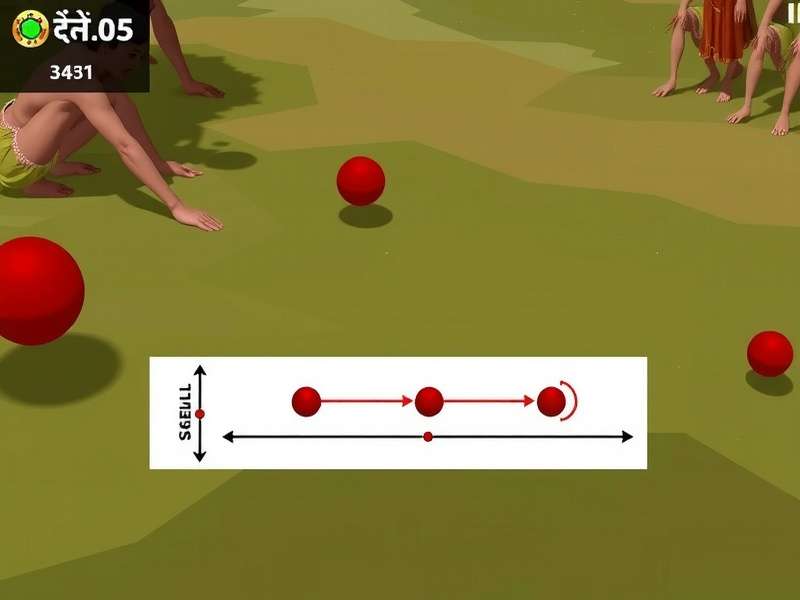
A typical game of Ball Bounce India begins with players establishing a bouncing sequence, often accompanied by traditional chants that dictate the rhythm and required actions. The first player initiates the sequence, with subsequent players repeating and expanding upon the pattern.
The game progresses through increasingly difficult levels, with players required to perform more complex combinations of bounces and movements. Common progression includes simple palm bounces, clap combinations, turning movements, leg lifts, and eventually complex sequences combining multiple elements.
Scoring and Victory Conditions
Scoring systems in Ball Bounce India vary by region and context. In informal settings, players typically continue until only one participant remains who hasn't faulted. In more structured competitions, point systems may award points for successful completion of rounds or particularly skillful executions.
The game concludes when a predetermined winning condition is met, such as a player reaching a specific point threshold or being the last participant remaining after others have faulted. Victory in Ball Bounce India requires not just technical skill but also endurance, concentration, and adaptability to increasingly complex challenges.
Required Equipment and Playing Environment
The accessibility of Ball Bounce India stems partly from its minimal equipment requirements. The essential components have remained consistent throughout the game's history, emphasizing its democratic nature across different socioeconomic contexts.
The Ball
Traditional rubber balls approximately 6-8 cm in diameter, with good bounce characteristics
Playing Surface
Flat, smooth area - typically ground, courtyard, or paved surface with consistent bounce
Players
Typically 2-6 participants, though larger group variations exist for community play
Ball Specifications and Variations
The ball used in Ball Bounce India represents the most crucial equipment element. Traditional versions utilized handmade rubber balls, while contemporary play often employs manufactured rubber balls designed specifically for bounce games. Ideal balls provide consistent rebound while being small enough for single-hand control yet large enough for predictable bouncing patterns.
Regional variations sometimes incorporate locally available materials for balls, including woven fabric balls, dried fruit pods, or other natural materials that provide suitable bouncing characteristics. However, the rubber ball remains the standard for most organized play of Ball Bounce India.
? Ball Characteristics
Size: Typically 6-8 cm diameter for standard play
Material: Natural or synthetic rubber for optimal bounce
Weight: Light enough for controlled bounces, heavy enough for predictability
Color: Traditionally red or multi-colored, now varies widely
Bounce Height: Consistent rebound to approximately chest level from waist height
Playing Techniques and Skill Development
Mastering Ball Bounce India requires developing a repertoire of techniques that combine physical coordination, timing, and rhythmic precision. Players typically progress from fundamental skills to advanced combinations as they build competence in the game.
Fundamental Bouncing Techniques
The foundation of Ball Bounce India involves controlling the ball's bounce with the palm in consistent rhythm. Beginners start with simple uninterrupted bounces, focusing on maintaining steady height and timing. The basic palm bounce forms the building block for all more complex variations in the game.
As players advance, they incorporate clapping sequences between bounces—starting with single claps and progressing to multiple claps, behind-the-back claps, and clap patterns with increasing complexity. This develops hand-speed and timing coordination essential for advanced Ball Bounce India gameplay.
Advanced Movement Integration
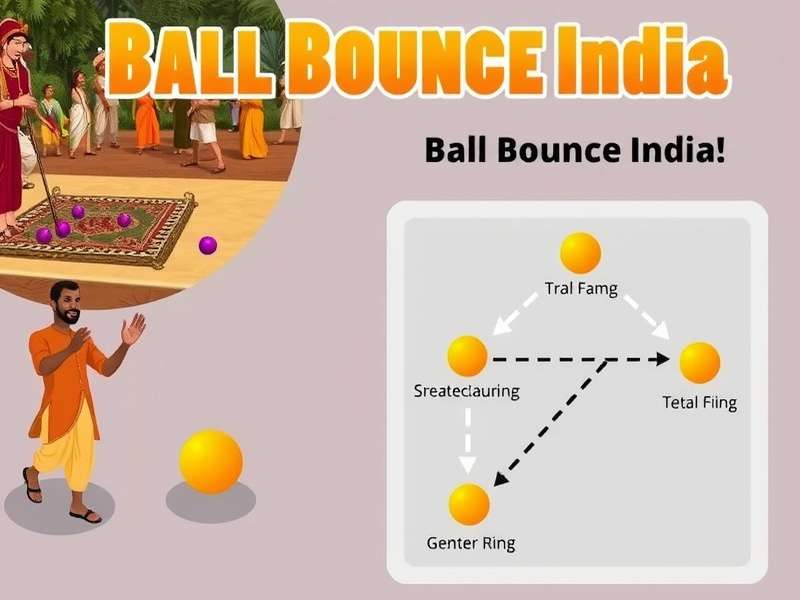
Seasoned players of Ball Bounce India incorporate full-body movements into their bouncing sequences. These include turning completely around between bounces, performing partial spins, integrating leg lifts or kicks, and eventually combining multiple movement elements in single sequences.
The most advanced techniques involve complex patterns that challenge both physical coordination and cognitive processing. Players must remember extended sequences while executing precise movements, making Ball Bounce India not just physically engaging but mentally stimulating as well.
? Skill Development Tips
Start Simple: Master basic bounce before adding complexity
Practice Rhythm: Use counting or music to develop consistent timing
Progressive Challenge: Add one new element at a time
Focus on Control: Prioritize consistent bounces over speed initially
Regular Practice: Short, frequent sessions build skill more effectively than occasional long practices
Cultural Significance and Modern Relevance
Ball Bounce India occupies a distinctive position in India's cultural landscape as both traditional pastime and living cultural practice. The game embodies values of community participation, intergenerational connection, and physical activity within cultural context.
Throughout India's social evolution, Ball Bounce India has maintained relevance by adapting to changing contexts while preserving its core identity. The game features in childhood memories across generations, creating shared experiences that transcend regional, linguistic, and socioeconomic differences.
Educational and Developmental Value
Beyond recreational enjoyment, Ball Bounce India offers significant developmental benefits that contribute to its enduring appeal. The game naturally develops hand-eye coordination, rhythmic awareness, bilateral coordination, and concentration skills in young players.
Educators have recognized the value of Ball Bounce India in developing fundamental movement skills, social interaction abilities, and cognitive processing. The game's structured yet flexible nature makes it adaptable to educational settings while maintaining its engaging, play-based character.
? Global Recognition
In recent decades, Ball Bounce India has gained international attention as part of growing global interest in traditional games. Cultural exchange programs, diaspora communities, and educational initiatives have introduced the game to audiences worldwide, where it is appreciated both as cultural artifact and engaging physical activity.
Preservation and Innovation
Contemporary efforts to preserve Ball Bounce India involve both documentation of traditional forms and creative adaptations for modern contexts. Digital platforms, school programs, and community initiatives all contribute to maintaining the game's vitality while respecting its cultural origins.
The future of Ball Bounce India appears secure as new generations discover its appeal, both in traditional forms and through innovative variations. The game's fundamental qualities—accessibility, engagement, and cultural resonance—ensure its continued place in India's rich tapestry of traditional games.
? Future Directions
As Ball Bounce India continues to evolve, several trends suggest its ongoing relevance: integration with digital gaming platforms, formalization for competitive tournaments, therapeutic applications for motor skill development, and continued cultural significance as symbol of Indian heritage. The adaptability that has characterized the game throughout its history positions it well for continued popularity in changing social contexts.