Gujarati Grip Gladiators: The Complete Encyclopedia
Exploring India's Traditional Combat Sport from Gujarat
Table of Contents
Overview of Gujarati Grip Gladiators
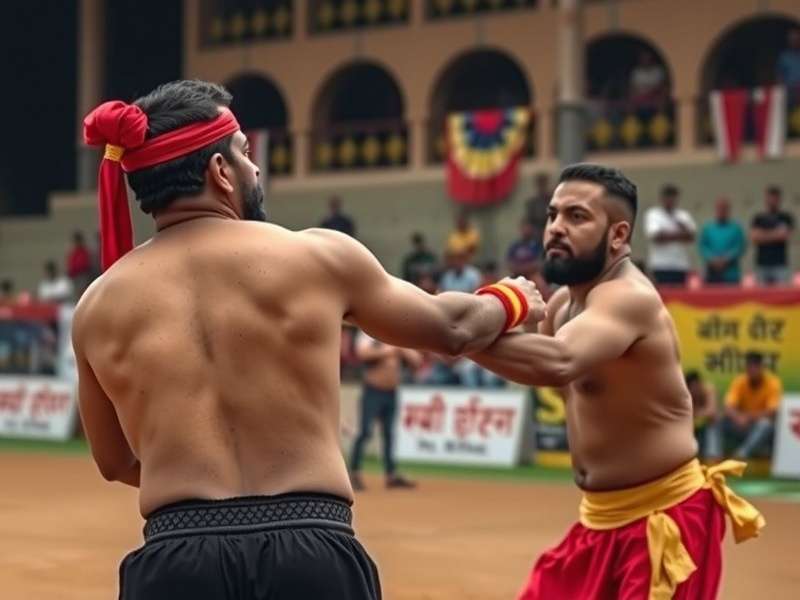
Gujarati Grip Gladiators represents one of India's most fascinating traditional combat sports, originating from the vibrant state of Gujarat. This unique form of wrestling emphasizes grip strength, technical precision, and strategic positioning above all else.
Unlike many other combat sports that focus on strikes or throws, Gujarati Grip Gladiators centers entirely on controlling an opponent through superior hand positioning and leverage. The sport demands exceptional finger strength, wrist flexibility, and tactical intelligence.
Key Characteristics: The Gujarati Grip Gladiators discipline stands out for its emphasis on technical mastery over brute force. Practitioners develop incredible hand strength that allows them to control opponents with minimal movement.
Traditional matches take place in clay pits, similar to other Indian wrestling forms, but with distinct rules that prioritize grip techniques. The sport has seen a resurgence in popularity in recent decades as Indians rediscover their rich martial heritage.
Historical Origins and Evolution
The roots of Gujarati Grip Gladiators can be traced back to the 15th century in western India. Historical records suggest the martial art developed as a specialized training method for warriors in the Gujarat region.
Ancient manuscripts describe techniques remarkably similar to modern Gujarati Grip Gladiators movements, indicating a continuous tradition spanning centuries. The sport evolved as a practical combat system that could be employed in close-quarters battlefield situations.
During the British colonial period, the practice of Gujarati Grip Gladiators went underground, preserved in secret by dedicated practitioners. This period saw the codification of many techniques that had previously been passed down orally.
The post-independence era witnessed a gradual revival of the sport, with formal competitions beginning in the 1970s. Today, Gujarati Grip Gladiators enjoys recognition as an important part of India's intangible cultural heritage.
Rules and Regulations
The rule system governing Gujarati Grip Gladiators competitions is both intricate and precise, designed to emphasize technical skill while ensuring participant safety.
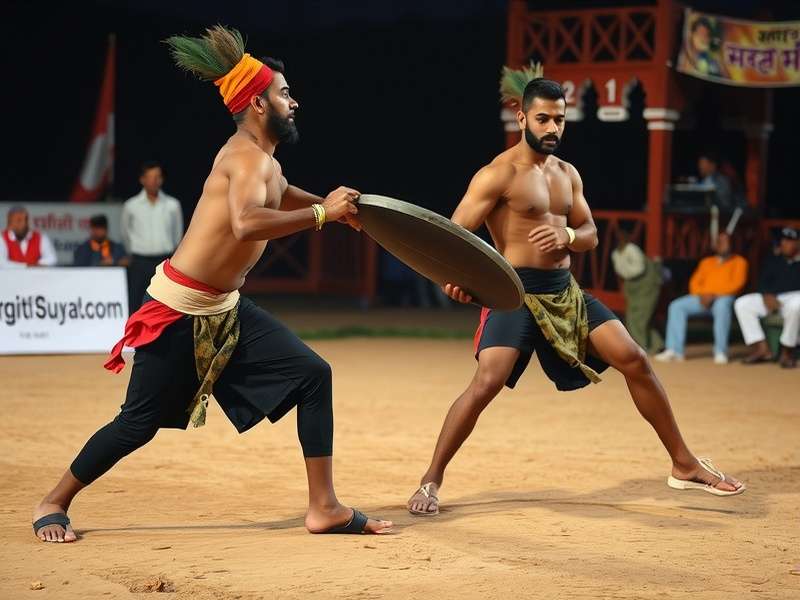
Match Structure
Traditional matches consist of three rounds of five minutes each, with one-minute rest periods between rounds. Victory can be achieved through technical submission, point advantage, or opponent disqualification.
Scoring System
The scoring in Gujarati Grip Gladiators rewards control and technique over aggression. Points are awarded for maintaining dominant grips, executing technical maneuvers, and demonstrating superior positioning.
- Control Points: Awarded for maintaining a dominant grip position for consecutive seconds
- Technical Points: Granted for executing recognized techniques that compromise opponent's balance
- Position Points: Given when a competitor establishes superior positioning
- Submission Victory: Immediate win when opponent verbally submits or taps out
Prohibited Actions
Certain actions are strictly forbidden in Gujarati Grip Gladiators competitions, including strikes, joint manipulations beyond safe limits, and intentional injury techniques.
Techniques and Training Methods
The technical repertoire of Gujarati Grip Gladiators comprises hundreds of specialized grips, locks, and control positions. Mastery requires years of dedicated practice and physical conditioning.
Fundamental Grips
Basic grips form the foundation of all advanced techniques in Gujarati Grip Gladiators. These include the standard wrist control, cross grip, and the signature Gujarati palm lock.
Advanced Maneuvers
Elite practitioners of Gujarati Grip Gladiators employ sophisticated techniques that combine multiple grips with body positioning to completely neutralize opponents.
Training Insight: Traditional training methods for Gujarati Grip Gladiators include gripping wet clay, manipulating heavy stone weights, and practicing techniques in water to develop exceptional hand strength.
Modern training has incorporated scientific principles while maintaining traditional exercises. Resistance training, specialized grip strengtheners, and sport-specific conditioning now complement age-old methods.
Equipment and Attire
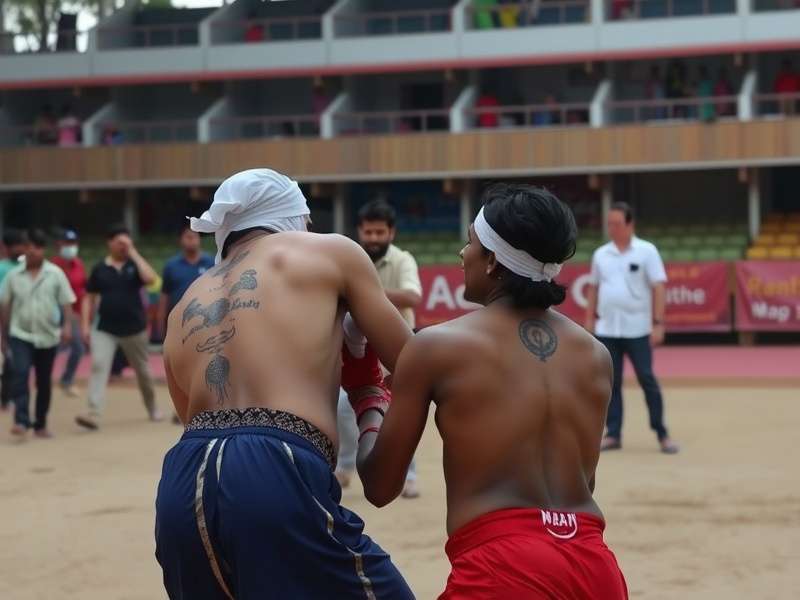
The traditional attire for Gujarati Grip Gladiators is both functional and symbolic, reflecting the sport's cultural roots while enabling maximum performance.
Competition Uniform
Practitioners wear specially designed cotton garments that provide freedom of movement while allowing opponents secure gripping points. The traditional color is earth-toned, reflecting the sport's connection to the clay pits where it originated.
Training Equipment
Specialized equipment used in Gujarati Grip Gladiators training includes grip strengtheners, practice dummies with resistance mechanisms, and traditional clay pits for authentic practice conditions.
Cultural Significance and Modern Revival
Gujarati Grip Gladiators holds profound cultural significance in Gujarat and across India. The sport represents more than physical competition—it embodies philosophical principles and cultural values.
Traditional matches were often accompanied by cultural ceremonies, music, and community gatherings. The sport served as a social glue that brought communities together and transmitted values across generations.
The modern revival of Gujarati Grip Gladiators has seen the sport adapt to contemporary contexts while preserving its essential character. International exhibitions, university clubs, and digital content have introduced the art to new audiences worldwide.
Government initiatives now support Gujarati Grip Gladiators as part of India's cultural heritage, with funding for training centers and competitive events. This institutional support ensures the sport's continuation for future generations.
Famous Champions and Tournaments
Throughout its history, Gujarati Grip Gladiators has produced legendary champions whose techniques and training methods have become part of the sport's lore.
Historical Masters
Records from the 18th and 19th centuries describe masters of Gujarati Grip Gladiators whose grip strength became the stuff of legend. These early champions often trained in secret and competed in challenges that tested their skills to the limit.
Modern Champions
Contemporary competitors in Gujarati Grip Gladiators have elevated the sport to new technical heights while maintaining its traditional essence. Annual national championships attract the best practitioners from across India.
Tournament Spotlight: The National Gujarati Grip Gladiators Championship, held annually in Ahmedabad, represents the pinnacle of competition for practitioners of this traditional Indian martial art.
International interest in Gujarati Grip Gladiators has grown steadily, with demonstration teams performing worldwide and foreign martial artists traveling to Gujarat to study the art form at its source.
Conclusion
Gujarati Grip Gladiators stands as a testament to India's rich martial heritage, representing a unique approach to combat that prioritizes technical precision over brute force. This traditional sport continues to evolve while maintaining its cultural roots.
The future of Gujarati Grip Gladiators appears bright, with growing international interest and increased institutional support within India. As new generations discover this fascinating art form, its techniques and philosophy continue to inspire practitioners worldwide.
For those interested in experiencing Gujarati Grip Gladiators firsthand, training centers across Gujarat welcome newcomers, preserving ancient knowledge while adapting to modern contexts.