Indian Swing Tennis: The Traditional Racket Sport of India
A comprehensive guide to understanding the history, rules, and techniques of this unique Indian sport
Overview of Indian Swing Tennis
Indian Swing Tennis is a traditional racket sport that originated in the rural regions of India, combining elements of tennis, badminton, and indigenous Indian ball games. This dynamic sport is characterized by its unique swinging motions and rhythmic play style that reflects the cultural heritage of India.
Unlike conventional tennis, Indian Swing Tennis emphasizes fluid body movements, wrist flexibility, and strategic ball placement over power and speed. The game is typically played on a rectangular court with a net, using specialized rackets and a lightweight ball designed for optimal swing dynamics.
? Key Characteristics: The sport focuses on graceful swings, strategic positioning, and rhythmic coordination between players. Matches often resemble a dance-like performance, making it both a competitive sport and an artistic expression.
The popularity of Indian Swing Tennis has grown significantly in recent decades, with tournaments now held across India and in Indian diaspora communities worldwide. The sport's unique blend of physical activity, mental strategy, and cultural expression has attracted players of all ages and skill levels.
Historical Development
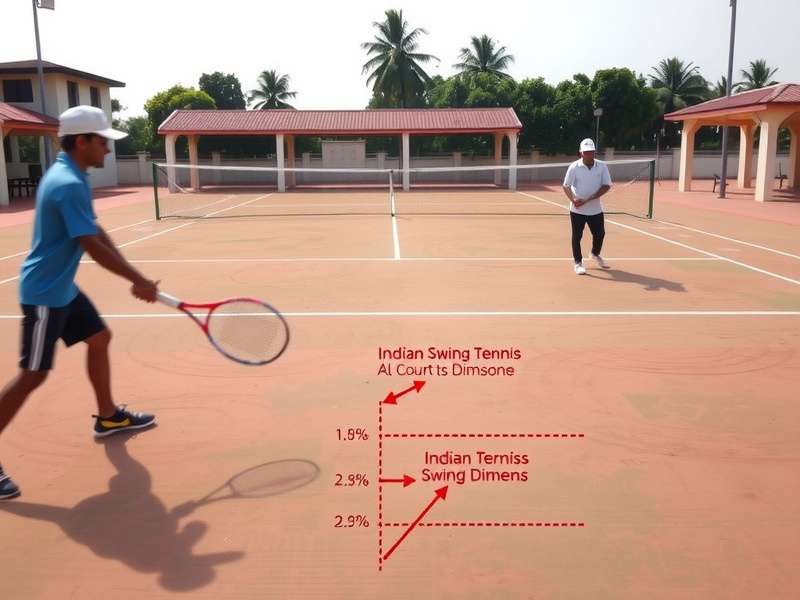
The origins of Indian Swing Tennis can be traced back to the 18th century in the eastern regions of India, particularly in Bengal and Odisha. Historical records suggest that the game evolved from traditional folk games played during harvest festivals and religious ceremonies.
Early versions of the sport used handmade equipment - rackets crafted from bamboo and balls made from wrapped cloth or rubber. The distinctive swinging motion that defines the game was inspired by traditional Indian dance forms, particularly Odissi and Bharatnatyam, which emphasize fluid body movements and graceful gestures.
During the British colonial period, Indian Swing Tennis incorporated elements from Western tennis while maintaining its unique cultural identity. This fusion resulted in the standardized rules and court dimensions that are used in modern competitions.
? Historical Milestone: The first official tournament of Indian Swing Tennis was organized in Kolkata in 1923, establishing the sport as a competitive discipline with formal regulations.
The post-independence era saw a revival of traditional Indian sports, with Indian Swing Tennis gaining recognition from sports authorities. In 1987, the All India Swing Tennis Association (AISTA) was established to promote and regulate the sport nationwide.
In the 21st century, Indian Swing Tennis has experienced a renaissance, with increased media coverage, international exhibitions, and the development of youth training programs. The sport continues to evolve while preserving its cultural roots and distinctive playing style.
Rules and Regulations
The official rules of Indian Swing Tennis are governed by the International Swing Tennis Federation (ISTF), which standardizes gameplay across competitions. Understanding these rules is essential for both players and enthusiasts of this unique sport.
Court Dimensions and Setup
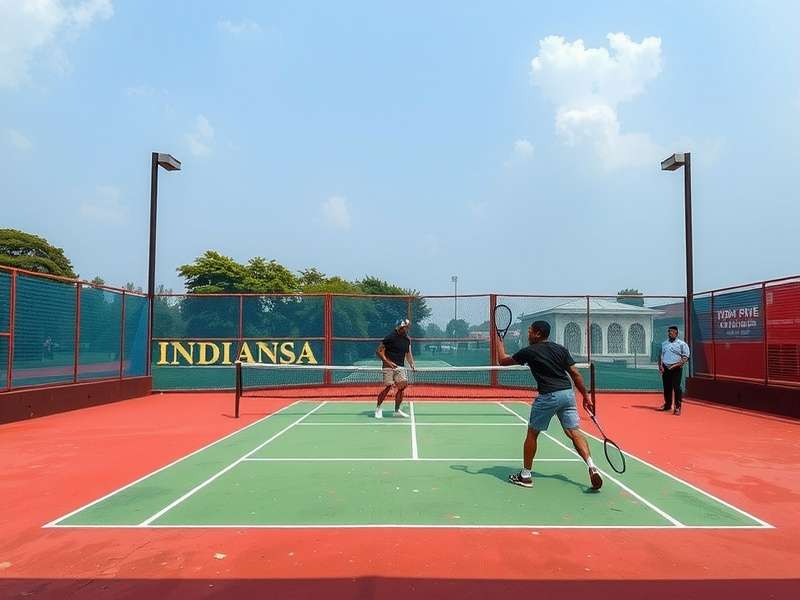
The standard court for Indian Swing Tennis measures 78 feet in length and 27 feet in width for singles matches, with an additional 4.5 feet on each side for doubles matches. The net stands at 3 feet 6 inches at the center, slightly higher than traditional tennis nets.
The court is divided into specific zones that influence scoring and strategy. The "Swing Zone" located near the net requires players to use specific swinging techniques, while the "Power Zone" at the baseline allows for more aggressive shots.
Scoring System
Indian Swing Tennis uses a unique scoring system that combines elements from traditional tennis with distinctive variations. Matches are played in sets, with each set consisting of games. However, unlike conventional tennis, points can be awarded based on the artistic quality of shots in addition to winning rallies.
| Score Term | Points | Description |
|---|---|---|
| Prabhat | 0 | Equivalent to "love" in tennis |
| Ek | 15 | First point in a game |
| Do | 30 | Second point in a game |
| Teen | 40 | Third point in a game |
| Set Point | Advantage | Winning point opportunity |
Serving Rules
The serve in Indian Swing Tennis must be executed with a distinctive swinging motion, starting from behind the baseline and following through in a continuous arc. The server has two attempts to land the ball in the opponent's service box.
Unlike traditional tennis, the serve in Indian Swing Tennis can be delivered with various spinning techniques, including the "Monsoon Spin" and "Peacock Twirl," which add strategic complexity to the game.
Playing Techniques and Strategies
Mastering Indian Swing Tennis requires developing specialized techniques that emphasize fluidity, precision, and rhythmic coordination. These techniques distinguish the sport from other racket games and contribute to its unique appeal.
Fundamental Swings
The core of Indian Swing Tennis lies in its distinctive swinging motions. Players must master three primary swings: the Horizontal Arc, the Vertical Crescent, and the Diagonal Sweep. Each swing serves different strategic purposes and can be combined to create complex shot patterns.
The Horizontal Arc is used for defensive shots and maintaining rally rhythm, while the Vertical Crescent generates topspin for aggressive groundstrokes. The Diagonal Sweep is particularly effective for angled shots that challenge opponents' positioning.
? Pro Tip: Advanced players of Indian Swing Tennis often incorporate elements of yoga and meditation into their training to enhance body awareness and swing precision.
Footwork and Movement
Footwork in Indian Swing Tennis emphasizes lightness and grace, with players encouraged to move in flowing patterns rather than abrupt stops and starts. The "Lotus Step" and "Peacock Glide" are fundamental movement techniques that enable players to maintain balance while executing complex swings.
Strategic court positioning is crucial in Indian Swing Tennis. Players must constantly adjust their position based on the ball's trajectory, their opponent's positioning, and the specific court zone they're in. The "Swing Zone" near the net requires particularly precise footwork to execute effective volleys.
Advanced Strategies
Elite players of Indian Swing Tennis employ sophisticated strategies that combine technical skill with psychological elements. The "Monsoon Strategy" involves varying shot pace and spin to disrupt opponents' rhythm, while the "Festival Approach" focuses on maintaining consistent pressure through continuous attacking play.
Doubles matches in Indian Swing Tennis require exceptional coordination between partners, with teams often developing signature movements and shot combinations. The "Temple Formation" and "Bazaar Shift" are popular doubles strategies that maximize court coverage and create scoring opportunities.
Equipment and Gear
Proper equipment is essential for playing Indian Swing Tennis effectively and safely. The sport uses specialized rackets, balls, and accessories designed to complement its unique playing style.
Rackets
Indian Swing Tennis rackets feature a distinctive design with a slightly curved frame and open throat pattern. This design enhances the swinging motion and allows for greater wrist flexibility during shots. Traditional rackets were made from bamboo, but modern versions use advanced composites for improved performance.
Racket weight and balance vary based on player preference and style. Defensive players typically prefer lighter rackets (280-300 grams) for increased maneuverability, while aggressive players opt for heavier models (310-330 grams) for additional power.
Balls
The official ball used in Indian Swing Tennis is made of rubber with a felt cover, similar to traditional tennis balls but with slightly reduced pressure for slower bounce. This characteristic allows for longer rallies and emphasizes technique over power.
Tournament-grade balls feature distinctive color patterns for improved visibility during fast-paced rallies. The standard colors are orange and white, though recreational players may use various colors based on personal preference and playing conditions.
Court Surfaces and Accessories
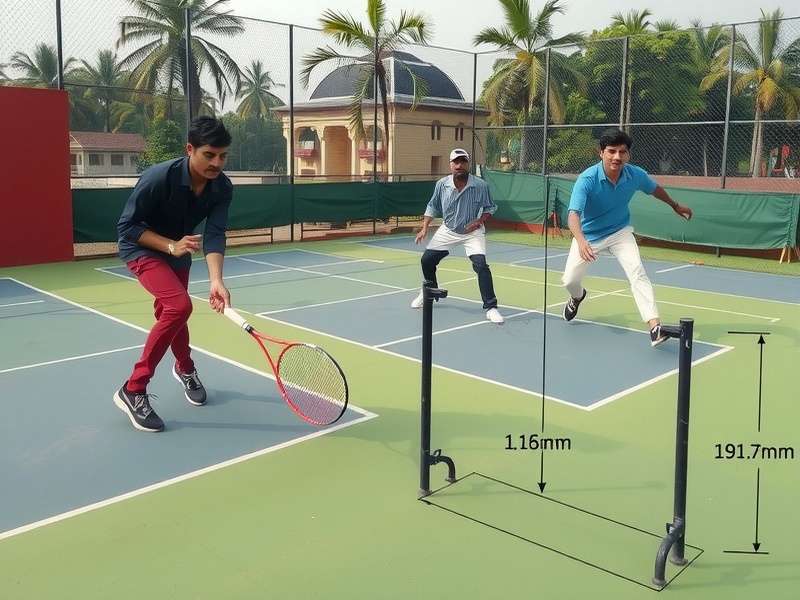
Indian Swing Tennis can be played on various surfaces, including clay, grass, and synthetic courts. Each surface affects ball bounce and player movement differently, adding strategic variety to the sport. Clay courts slow down the game and emphasize technical precision, while grass courts create faster conditions that reward aggressive play.
Players typically wear lightweight, flexible clothing that allows for unrestricted movement. Traditional attire includes kurta-style shirts for men and salwar-inspired outfits for women, though modern athletic wear is also commonly used in competitions.
Tournaments and Competitions
The competitive landscape of Indian Swing Tennis includes various tournaments at local, national, and international levels. These events showcase the sport's top talent and contribute to its growing popularity.
Major Championships
The premier tournament in Indian Swing Tennis is the National Swing Tennis Championship, held annually in New Delhi since 1952. This prestigious event attracts the country's best players and determines the national champion.
Other significant tournaments include the Kolkata Classic, Mumbai Masters, and Chennai Swing Open. These regional competitions serve as qualifying events for the national championship and provide opportunities for emerging players to gain competitive experience.
? Notable Achievement: The International Swing Tennis Federation was established in 2005 to promote the sport globally and organize world championships every two years.
International Presence
While Indian Swing Tennis originated in India, the sport has gained international recognition in recent decades. Exhibition matches and tournaments are now held in countries with significant Indian diaspora communities, including the United Kingdom, United States, Canada, and Australia.
The World Swing Tennis Federation (WSTF) oversees international competitions and works to standardize rules across different regions. Efforts are underway to include Indian Swing Tennis in multi-sport events like the Asian Games and eventually the Olympics.
Youth Development
To ensure the future growth of Indian Swing Tennis, various youth development programs have been established across India. These initiatives introduce children to the sport through school programs, summer camps, and junior tournaments.
The Rising Stars Junior Championship, launched in 2010, has become the premier competition for players under 18. Many participants in this tournament have gone on to achieve success at the senior level, demonstrating the effectiveness of youth development efforts in Indian Swing Tennis.
Cultural Significance
Indian Swing Tennis is more than just a sport; it represents an important aspect of India's cultural heritage. The game's movements, terminology, and traditions reflect broader cultural values and artistic expressions.
The swinging motions in Indian Swing Tennis are inspired by classical Indian dance forms, particularly those that emphasize fluidity and grace. This connection to performing arts distinguishes the sport from Western racket games and contributes to its unique identity.
Traditional tournaments often incorporate cultural elements such as live music, ceremonial openings, and festive atmospheres. These events serve as community gatherings that celebrate both sporting excellence and cultural traditions.
As Indian Swing Tennis continues to evolve, efforts are being made to preserve its cultural roots while adapting to modern competitive standards. This balance between tradition and innovation ensures the sport's relevance for future generations.
Future Prospects
The future of Indian Swing Tennis appears promising, with growing participation rates and increasing media coverage. Several developments suggest continued growth and evolution for this unique sport.
Technological advancements are influencing equipment design and training methods in Indian Swing Tennis. Video analysis, biometric tracking, and specialized training equipment are becoming more common among elite players, contributing to higher performance standards.
Media representation of Indian Swing Tennis has expanded significantly with dedicated television coverage, online streaming, and social media presence. This increased visibility has attracted new audiences and sponsorship opportunities, supporting the sport's professionalization.
International expansion remains a key priority for Indian Swing Tennis organizations. Demonstration events in non-traditional markets, exchange programs with other racket sports, and potential inclusion in multi-sport games could further elevate the sport's global profile.
? Vision Statement: The governing bodies of Indian Swing Tennis aim to establish the sport as both a cherished cultural tradition and a competitive discipline with international recognition by 2030.