Krishna River Glider: The Complete Encyclopedia
Discover the fascinating world of Krishna River Glider, a traditional Indian water sport that combines skill, balance, and cultural heritage in an exhilarating river experience.
Quick Facts
Origin: Krishna River Basin, India
Type: Water Sport & Traditional Game
Primary Region: Andhra Pradesh, Telangana
Equipment: Traditional wooden gliders
Season: Monsoon and post-monsoon
Cultural Status: Regional Heritage Sport
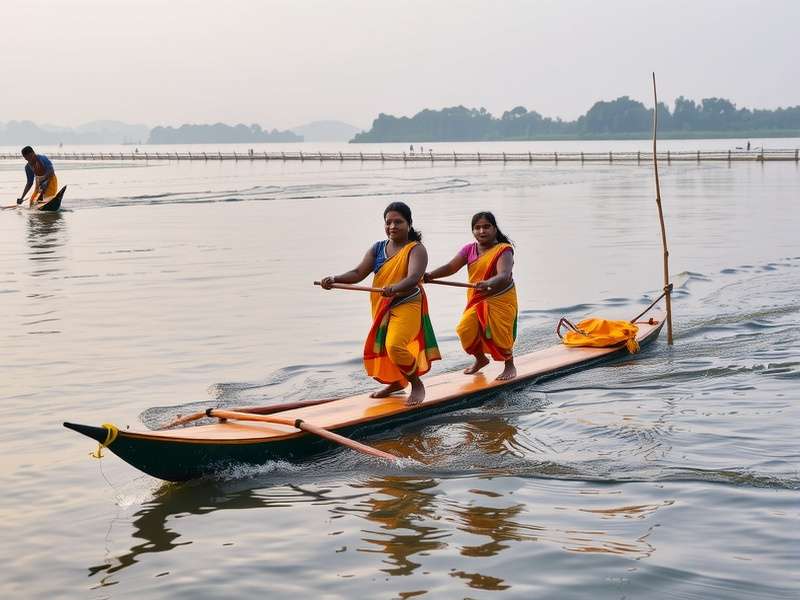
Overview of Krishna River Glider
The Krishna River Glider represents one of India's most unique traditional water sports, originating from the cultural practices along the Krishna River basin. This exhilarating activity combines elements of balance, strength, and river navigation in a display of human-water harmony.
Participants in the Krishna River Glider tradition use specially crafted wooden boards to glide across the river's surface, employing techniques passed down through generations. The sport demonstrates remarkable synergy between human skill and natural water dynamics.
Did You Know?
The traditional Krishna River Glider boards are crafted from specific types of water-resistant wood that are naturally buoyant and durable against river conditions.
What makes the Krishna River Glider particularly fascinating is its deep connection to local ecology and seasonal patterns. Practitioners have developed an intimate understanding of river currents, seasonal variations, and optimal conditions for gliding.
Historical Development
The origins of Krishna River Glider can be traced back several centuries to the agricultural communities living along the Krishna River. Initially developed as a practical means of river crossing and transportation, it gradually evolved into a structured sport with defined techniques and rules.
Historical records and oral traditions suggest that the Krishna River Glider practice began as a necessary survival skill during monsoon seasons when traditional boat transportation became challenging. The gliding technique allowed for quicker river navigation during high-current periods.
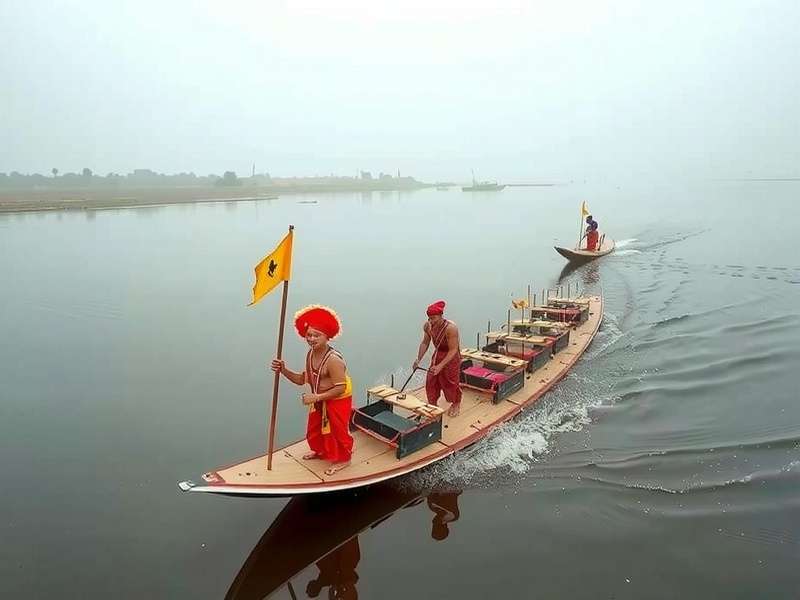
During the 18th and 19th centuries, the Krishna River Glider transformed from purely practical application to include competitive elements. Village festivals began featuring gliding competitions, with participants demonstrating their skills in front of community audiences.
Cultural Evolution
The transformation of Krishna River Glider from transportation method to cultural sport mirrors the broader evolution of traditional Indian practices into organized sporting activities with community significance.
The colonial period saw some decline in traditional practices, but the Krishna River Glider maintained its relevance through adaptation. Practitioners incorporated new materials and techniques while preserving the core principles of the sport.
Post-independence, there was a renewed interest in preserving traditional Indian sports, leading to documentation and formalization of Krishna River Glider techniques. This period marked the beginning of organized competitions beyond village boundaries.
Gameplay and Techniques
The core gameplay of Krishna River Glider involves navigating the river currents using a specially designed wooden glider board. Participants must maintain balance while using the river's natural flow for propulsion and direction.
Basic Techniques
Mastering the Krishna River Glider requires developing several fundamental techniques. The stance involves a low center of gravity with knees slightly bent, allowing for dynamic weight shifting in response to changing water conditions.
The paddling technique in Krishna River Glider differs significantly from conventional paddling. Practitioners use a combination of hand movements and body weight distribution to steer and maintain momentum without traditional paddles.
Competitive Elements
Modern Krishna River Glider competitions typically include timed races, technical skill demonstrations, and freestyle performances where participants showcase advanced maneuvers and creative expressions of the traditional form.
Advanced Maneuvers
Experienced practitioners of Krishna River Glider develop advanced maneuvers that demonstrate exceptional skill and river mastery. These include rapid direction changes, stationary balancing in moving currents, and navigating through complex river formations.
The "River Dance" maneuver represents one of the most visually spectacular aspects of advanced Krishna River Glider practice. This involves a series of rhythmic movements that create the appearance of dancing on water while maintaining forward momentum.
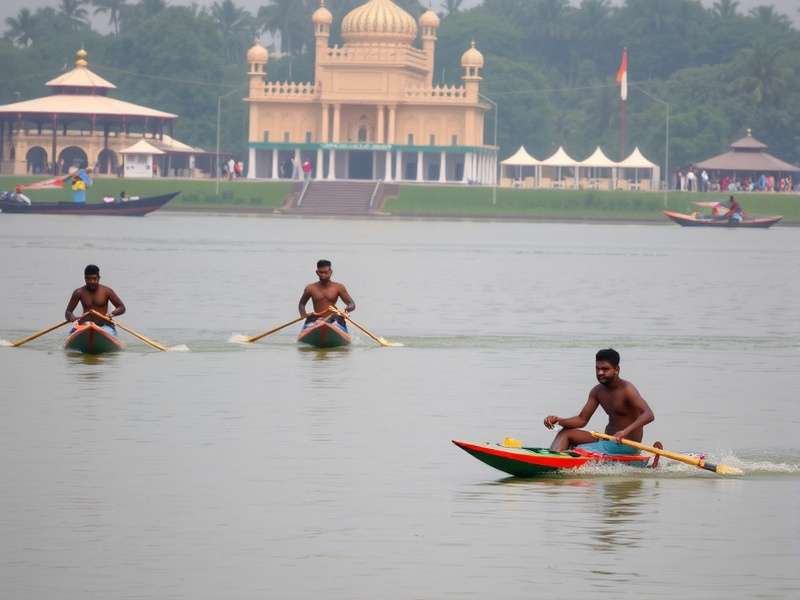
Cultural Significance and Impact
The Krishna River Glider holds profound cultural significance in the regions where it's practiced. Beyond being merely a sport, it represents a living connection to ancestral traditions, river ecology, and community identity.
In many communities along the Krishna River, proficiency in Krishna River Glider techniques was historically considered a rite of passage. Young community members would undergo training as part of their transition to adulthood.
Community Bonding
The practice of Krishna River Glider has traditionally served as a community bonding activity, with knowledge transfer occurring across generations and collaborative practice sessions strengthening social ties.
Festivals and community gatherings often feature Krishna River Glider demonstrations and competitions. These events serve multiple purposes: preserving traditional skills, providing entertainment, and reinforcing cultural identity.
Mythological Connections
Local folklore often connects the Krishna River Glider tradition to mythological stories involving river deities and legendary figures. These narratives add spiritual dimensions to the practice and reinforce its cultural importance.
Some communities associate the gliding technique with stories of divine beings moving across water surfaces, creating a mythological framework that elevates the Krishna River Glider from practical skill to cultural heritage.
Modern Adaptations and Future
In contemporary times, the Krishna River Glider tradition has undergone significant adaptations while maintaining its core principles. Modern materials have been incorporated into glider construction, improving performance and accessibility.
The digital age has brought new visibility to the Krishna River Glider tradition. Social media and online platforms have enabled practitioners to share their skills with global audiences, generating international interest in this unique Indian water sport.
Contemporary Revival
Recent years have seen a revival of interest in Krishna River Glider among younger generations, driven by cultural preservation initiatives and the growing popularity of adventure sports in India.
Competitive Scene Development
Formal competitive structures for Krishna River Glider have emerged in recent decades, with standardized rules, judging criteria, and competition categories. This formalization has helped preserve the tradition while making it accessible to new participants.
Regional and national-level Krishna River Glider competitions now attract participants from beyond traditional practice areas, contributing to the sport's evolution and creating opportunities for cultural exchange.
Environmental Considerations
Modern practitioners of Krishna River Glider have become increasingly aware of environmental issues affecting river systems. Many have embraced roles as river conservation advocates, using their platform to raise awareness about water pollution and ecological preservation.
The future of Krishna River Glider appears promising, with growing recognition of its value as cultural heritage and its potential for sustainable tourism development. Efforts are underway to document techniques systematically and establish training programs for future generations.
Preservation and Legacy
The ongoing practice of Krishna River Glider represents a successful example of traditional knowledge preservation in modern India. Through adaptation while maintaining core principles, this unique water sport continues to thrive and evolve.
As interest grows in traditional sports and cultural practices, the Krishna River Glider stands as a testament to India's rich sporting heritage and the enduring connection between people and their natural environment.