Nagini Nightmare: Complete Encyclopedia
The definitive guide to India's groundbreaking mythology-based mobile gaming phenomenon
Nagini Nightmare represents a revolutionary approach to mobile gaming in India,
blending traditional mythology with modern gameplay mechanics to create an immersive experience
that has captivated millions of players worldwide.
Overview of Nagini Nightmare
Nagini Nightmare stands as a monumental achievement in the Indian gaming industry,
representing the perfect fusion of ancient mythological storytelling with cutting-edge mobile technology.
This game has redefined what players expect from mythology-based entertainment.
Developed by a passionate team of Indian game designers and mythology experts,
Nagini Nightmare transports players into a richly detailed world
where serpent deities, magical realms, and epic quests come alive through stunning visuals
and immersive gameplay mechanics.
Action RPG
Real-time combat system with skill-based mechanics
Mythology Rich
Authentic Indian mythological elements and storytelling
Mobile Optimized
Designed specifically for seamless mobile experience
The success of Nagini Nightmare demonstrates the growing appetite for culturally
relevant gaming content in the Indian market and beyond. With its unique approach to storytelling
and gameplay, the game has set new standards for mobile gaming excellence.
What makes Nagini Nightmare particularly remarkable is its ability to balance
authentic mythological elements with engaging modern gameplay. Players don't just experience
stories from Indian mythology—they actively participate in them, making choices that shape
the narrative and outcome of their journey.
Gameplay Mechanics
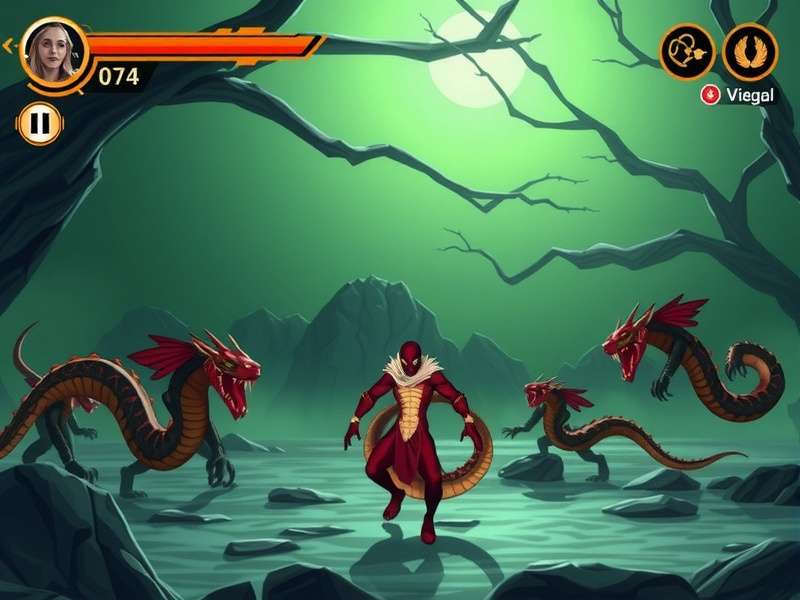
The gameplay of Nagini Nightmare represents a sophisticated blend of
action-RPG elements, puzzle-solving, and narrative exploration. Players control their
serpent avatar through various mystical environments, each with unique challenges and enemies.
Core Combat System
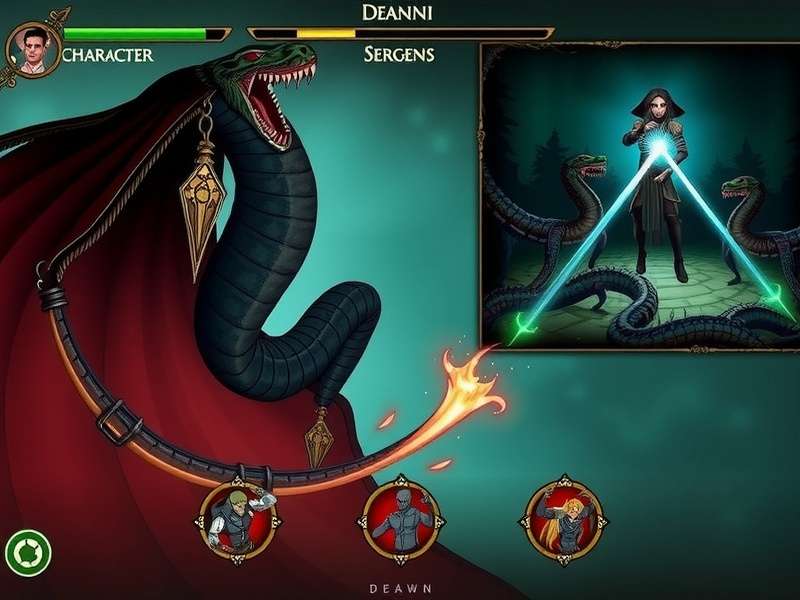
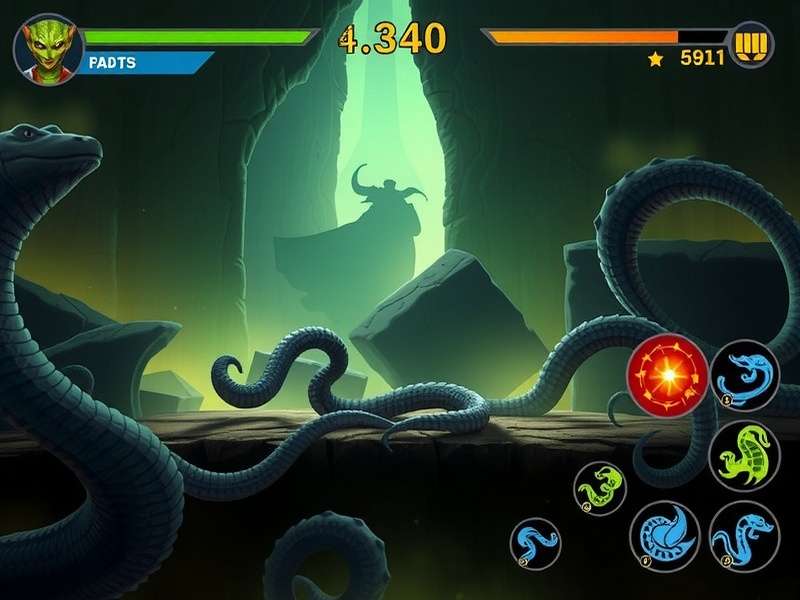
The combat in Nagini Nightmare utilizes an intuitive touch-based control system
that allows players to execute complex maneuvers with simple gestures. The serpent protagonist
can constrict enemies, deliver venomous strikes, and utilize magical abilities inspired by
authentic Indian mythological powers.
Progression & Customization
Character progression forms a crucial element of the Nagini Nightmare experience.
Players can upgrade their serpent's abilities, unlock new mythological forms, and collect
ancient artifacts that enhance their powers. The customization options allow for diverse
playstyles and strategic approaches to challenges.
Puzzle Elements
Beyond combat, Nagini Nightmare incorporates intricate puzzle mechanics
that require players to think strategically about their serpent's unique abilities.
Environmental puzzles often draw inspiration from ancient Indian architectural principles
and mythological challenges described in traditional texts.
The seamless integration of these gameplay elements creates a cohesive experience
that remains engaging throughout the extensive campaign of Nagini Nightmare.
Each gameplay mechanic serves both the entertainment value and the mythological authenticity
that defines the game's unique identity.
Story & Narrative
The narrative of Nagini Nightmare represents a masterful reinterpretation
of Indian mythological themes, weaving together elements from various traditions into
a cohesive and compelling storyline. The game follows the journey of a serpent deity
navigating complex moral choices and cosmic conflicts.
Mythological Foundations
Drawing from rich sources including the Puranas, Mahabharata, and regional folk traditions,
Nagini Nightmare creates an original story that feels authentically rooted
in Indian cultural heritage. The developers consulted with mythology scholars to ensure
respectful and accurate representation of sacred concepts and characters.
Character Arcs
The protagonist's journey in Nagini Nightmare explores themes of destiny,
free will, and the balance between cosmic order and chaos. Through interactions with
other mythological beings and moral choices that affect the game world, players experience
a narrative that evolves based on their decisions.
The storytelling in Nagini Nightmare represents a significant advancement
in how video games can engage with cultural mythology—not as mere decoration,
but as the fundamental framework for interactive narrative design.
World Building
The game world of Nagini Nightmare encompasses multiple realms inspired
by Hindu cosmological concepts, each with distinct visual styles, inhabitants, and challenges.
From celestial palaces to subterranean serpent kingdoms, the environments serve both
gameplay purposes and narrative exposition.
What sets the narrative of Nagini Nightmare apart is its commitment to
presenting Indian mythology as a living, evolving tradition rather than a static collection
of stories. The game introduces original characters and scenarios that feel consistent
with mythological traditions while offering fresh perspectives and experiences.
Characters & Mythology
The character roster in Nagini Nightmare features a diverse array of beings
drawn from Indian mythology, each with unique abilities, backstories, and roles within
the game's narrative structure. The developers have taken care to represent these characters
with both authenticity and creative interpretation.
Protagonist Design
The player-controlled serpent character in Nagini Nightmare represents
a unique interpretation of the Nagini concept from Indian folklore. Rather than being
a simple antagonist or minor mythological figure, the protagonist embodies complex
characteristics that allow for meaningful player identification and character development.
Supporting Characters
Nagini Nightmare features an extensive cast of supporting characters
including deities, demons, sages, and other mythological beings. Each character serves
multiple functions within the game—providing quests, offering upgrades, presenting challenges,
and advancing the narrative through well-written dialogue and interactions.
Mythological Accuracy
While Nagini Nightmare takes creative liberties with its source material,
the development team maintained a commitment to mythological accuracy in several key areas.
Character relationships, symbolic attributes, and cosmological roles generally align with
traditional representations while allowing for innovative gameplay applications.
The character design philosophy in Nagini Nightmare demonstrates how
traditional mythology can be adapted for interactive media without losing its cultural
significance. The characters serve as bridges between ancient stories and contemporary
gaming experiences, making mythological concepts accessible and engaging for modern audiences.
Development History
The creation of Nagini Nightmare represents a significant milestone
in the Indian game development industry. The project began as a small indie endeavor
and evolved into one of the most ambitious mobile gaming productions ever undertaken
in the country.
Conceptual Phase
Initial concepts for Nagini Nightmare emerged from discussions among
the development team about the underrepresentation of Indian mythology in mainstream gaming.
The founders sought to create a game that would showcase the richness of Indian cultural
heritage while providing compelling modern gameplay.
Technical Challenges
Developing Nagini Nightmare presented numerous technical challenges,
particularly in creating the serpent protagonist's fluid movement system and the game's
elaborate visual effects. The team developed custom animation tools and rendering techniques
to achieve the distinctive visual style that defines the game.
The development journey of Nagini Nightmare illustrates the growing
capabilities of the Indian game development sector and its potential to create
world-class entertainment products rooted in local cultural contexts.
Cultural Consultation
A unique aspect of the Nagini Nightmare development process was
the inclusion of cultural consultants and mythology scholars throughout production.
This ensured that the game's representation of sacred concepts and characters remained
respectful while allowing for creative interpretation necessary for gameplay.
The success of Nagini Nightmare has inspired other developers
to explore culturally specific content, demonstrating that games rooted in local
traditions can achieve global appeal when executed with care, creativity, and
technical excellence.
Critical Reception
Upon its release, Nagini Nightmare received widespread critical acclaim
for its innovative approach to mythology-based gaming, technical achievements,
and compelling narrative design. Reviewers particularly praised the game's ability
to balance authentic cultural representation with engaging modern gameplay.
Review Scores
Nagini Nightmare achieved exceptional review scores across major
gaming publications and platforms. Critics highlighted the game's visual design,
control scheme, narrative depth, and respectful treatment of source material as
standout features that set new standards for mobile gaming.
Player Response
The player community embraced Nagini Nightmare with enthusiasm,
particularly appreciating the game's depth and attention to mythological details.
Community feedback has played a significant role in post-launch updates and content additions.
Industry Recognition
Nagini Nightmare received numerous industry awards and nominations,
recognizing its achievements in game design, visual arts, and cultural innovation.
The game's success has been cited as evidence of the growing maturity and global
competitiveness of the Indian game development sector.
The reception of Nagini Nightmare demonstrates that there is
significant appetite for games that explore non-Western mythological traditions
with authenticity and creativity. The game's commercial and critical success
has paved the way for similar projects and expanded the boundaries of what
mobile gaming can achieve as a narrative and cultural medium.
Cultural Impact
Beyond its success as entertainment, Nagini Nightmare has had
a significant cultural impact, particularly in how Indian mythology is perceived
and engaged with by younger generations. The game has sparked renewed interest
in traditional stories and characters, with many players seeking out original
mythological texts after experiencing the game.
Educational institutions have noted the potential of games like
Nagini Nightmare for teaching mythology and cultural history
in engaging ways. Some educators have incorporated discussions of the game
into their curriculum, using it as a bridge to more traditional study of
mythological texts and concepts.
The cultural impact of Nagini Nightmare extends beyond India,
introducing international audiences to Indian mythological concepts through
an accessible and engaging medium. This represents a form of cultural exchange
that operates outside traditional educational or artistic channels, reaching
audiences who might not otherwise encounter these rich traditions.
Future Updates & Expansions
The developers of Nagini Nightmare have committed to an ongoing
content roadmap that will expand the game world, introduce new characters and stories,
and refine gameplay systems based on player feedback. This ongoing support reflects
the studio's long-term commitment to the game and its community.
Planned expansions for Nagini Nightmare will explore additional
regions of the mythological cosmos, introduce multiplayer cooperative modes,
and delve deeper into the backstories of supporting characters. The development
team has outlined a vision for the game that will continue to evolve over
multiple years of updates and content releases.
The future of Nagini Nightmare represents not just the continuation
of a successful game but the further development of a new approach to culturally
rooted gaming. As the game grows and evolves, it continues to demonstrate the
potential for video games to serve as platforms for cultural expression,
education, and innovative storytelling.
Nagini Nightmare stands as a landmark achievement in mobile gaming,
successfully blending authentic Indian mythology with modern game design to create
an experience that is both culturally significant and universally entertaining.
Its impact will likely influence game development for years to come.